They served without hesitation.
We heal without barriers.
Sentinel Healing Foundation funds access to legal, professionally guided psilocybin retreats for veterans and first responders — removing the financial obstacles that stand between service and healing.
"Supporting and expanding access to legal therapeutic psilocybin and plant medicine healing for veterans and first responders."
A world where those who have carried the weight of service can access the depth of healing they deserve — and return home to themselves.
The burden of service doesn't end when the mission does
Two communities. Two different uniforms. The same invisible weight. Veterans and first responders both carry the accumulated cost of serving others through trauma, crisis, and loss — often for decades, often in silence, and often without adequate support from the systems that sent them in.
Veterans
Combat trauma, moral injury, and the structural rupture of returning from war to civilian life create a perfect storm for lasting psychological harm. An estimated 20% of post-9/11 veterans have PTSD. Rates of suicide, depression, and substance use disorder significantly exceed those of the general population — and the VA's capacity to address them has long been outpaced by need. Many veterans have cycled through years of medications and traditional therapy with incomplete results. They are not treatment failures. They need a different approach.
First Responders
Firefighters, paramedics, law enforcement officers, emergency medical personnel, and frontline healthcare workers absorb the traumatic residue of their communities, call after call, shift after shift, year after year. Studies estimate that up to 30% of first responders develop behavioral health conditions — including PTSD, depression, and anxiety — compared to 20% of the general population. First responders are also more likely to die by suicide than in the line of duty. And like veterans, the culture of service often actively discourages seeking help — making the invisible wounds harder to treat and easier to hide.
Conventional treatments have failed too many of the people who need help most. Legal psilocybin services — now available through licensed facilitators in Oregon, Colorado, and expanding — are producing results where other approaches have fallen short. The only remaining barrier for most is cost. That is what Sentinel Healing Foundation exists to remove.
How the Foundation works
Raise Funds
We raise donations from individuals, families, corporations, and foundations — every dollar earmarked for direct retreat access, not overhead.
Screen & Match
Applicants go through a careful intake process. Those who qualify are matched with licensed facilitators in Oregon, Colorado, or other states with legal psilocybin frameworks.
Fund the Retreat
Grants cover the full arc: facility fees, facilitator costs, psilocybin, lodging, and integration support — so participants can focus entirely on the work of healing.
Build the Future
We invest in research, policy, and the legal expansion of access — so that what is possible for a few today becomes available to all who need it tomorrow.
"For the first time in years, I stopped surviving and started truly living. It didn't erase my scars — it gave them meaning."— U.S. Army Veteran, Oregon Retreat Participant
"I had seen things on the job no one should have to carry alone. The retreat helped me put it down — not forget it, but stop being crushed by it."— Firefighter / EMT, Colorado Retreat Participant
This is what funded access makes possible. The science is compelling. The experiences are transformative. For thousands of veterans and first responders, the only missing piece is someone willing to cover the cost.
Built by those who served.
Guided by those who heal.
Sentinel Healing Foundation was built from direct experience — both with what service demands, and with what psilocybin-assisted healing can restore.
The gap we're closing
Two communities carry the weight of service in ways most people never see. Veterans return from deployment carrying the residue of combat, moral injury, and the abrupt structural loss of military belonging. First responders — firefighters, paramedics, law enforcement officers, emergency medical personnel, and frontline healthcare workers — absorb the traumatic residue of their communities shift after shift, year after year, often without any formal support for what they witness and carry.
Both populations face mental health challenges at rates that significantly exceed the general population. Both are shaped by cultures that actively discourage vulnerability and help-seeking. And both have been underserved by the conventional mental health system — not because they didn't try, but because the tools available weren't equal to the depth of the wounds.
Legal psilocybin services, available through licensed facilitators in Oregon and Colorado, represent one of the most significant developments in mental health care in a generation. The clinical evidence is building rapidly. Thousands of participants — including veterans and first responders from programs operating across the country — are reporting outcomes that years of medication and traditional therapy could not produce.
The barrier is not awareness. It is not willingness. For most, the barrier is a price tag of $3,000 to $5,000 or more. Sentinel Healing Foundation exists to close that gap — so that cost is never the reason a veteran or first responder stays stuck.
Supporting and expanding access to legal therapeutic psilocybin and plant medicine healing for veterans and first responders.
A world where those who have carried the weight of service can access the depth of healing they deserve — and return home to themselves.
What we stand for
These aren't words on a wall. They are the commitments that shape every decision we make, every grant we issue, every relationship we build.
Dignity
Every person who comes to us carries a story worthy of respect. We meet veterans and first responders not as patients or problems to be fixed, but as whole human beings seeking to return to themselves.
Courage
We honor the courage it takes to serve — and the equal courage it takes to ask for help. After careers built on self-sufficiency, vulnerability is its own kind of mission. We hold space for both.
Access
Healing should not be a privilege. We are committed to removing every barrier — financial, logistical, and cultural — that stands between those who served and the care they have earned.
Integrity
We operate with complete transparency and rigorous ethics. We honor the sacred nature of this work and the legal frameworks that make it possible. Every dollar is accounted for. Every decision is defensible.
Community
Healing doesn't happen in isolation — it happens in relationship. We build connection between veterans, first responders, clinicians, and communities, because no one truly returns home alone.
Transformation
We believe in the profound and lasting capacity of the human spirit to heal, integrate, and grow — not just manage symptoms, but fundamentally change. We hold that possibility for every person we serve.
The people behind this work
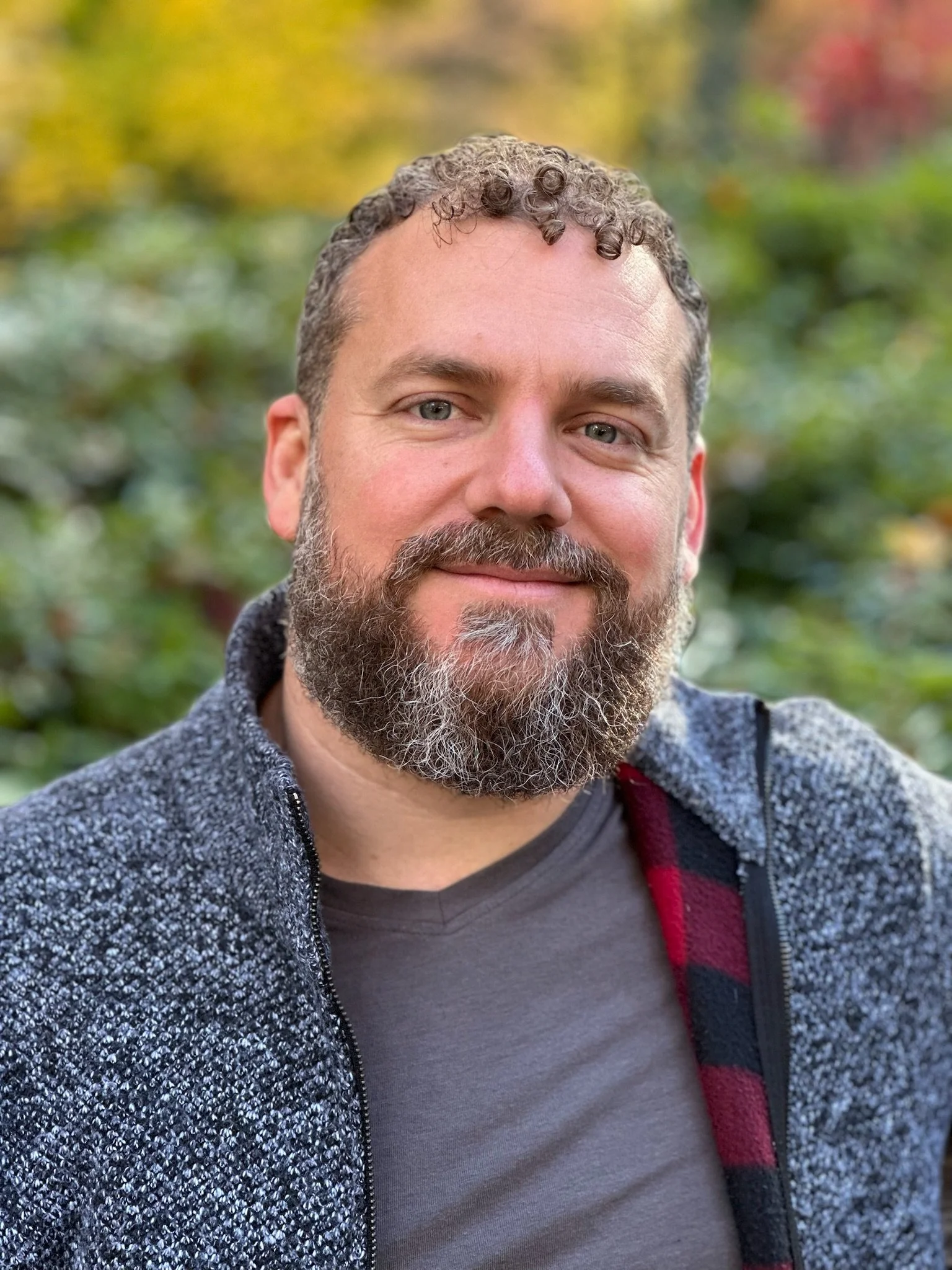
Drew Snyder is an Army combat veteran, licensed professional counselor, and one of the first licensed psilocybin facilitators under the legal programs in both Oregon and Colorado. Over the past three years, he has personally guided more than 1,300 psilocybin journeys — and helped train more than 1,200 mental health professionals as Head of Psychedelic Practicum at the Integrative Psychiatry Institute.
His clinical background specializes in complex trauma, existential distress, depression, anxiety, and the particular burden carried by veterans and first responders — people whose wounds are as real as any visible injury, and whose path to healing has too often been blocked by stigma, inadequate treatment, and cost. Having walked both the path of service and the path of healing himself, Drew brings rare credibility to this mission — and rare depth to its execution.
Sentinel Healing Foundation is, for him, the convergence of everything he has served, survived, and studied — a way to extend the healing he has witnessed in thousands of psilocybin journeys to those who need it most and can afford it least.
The people guiding this work
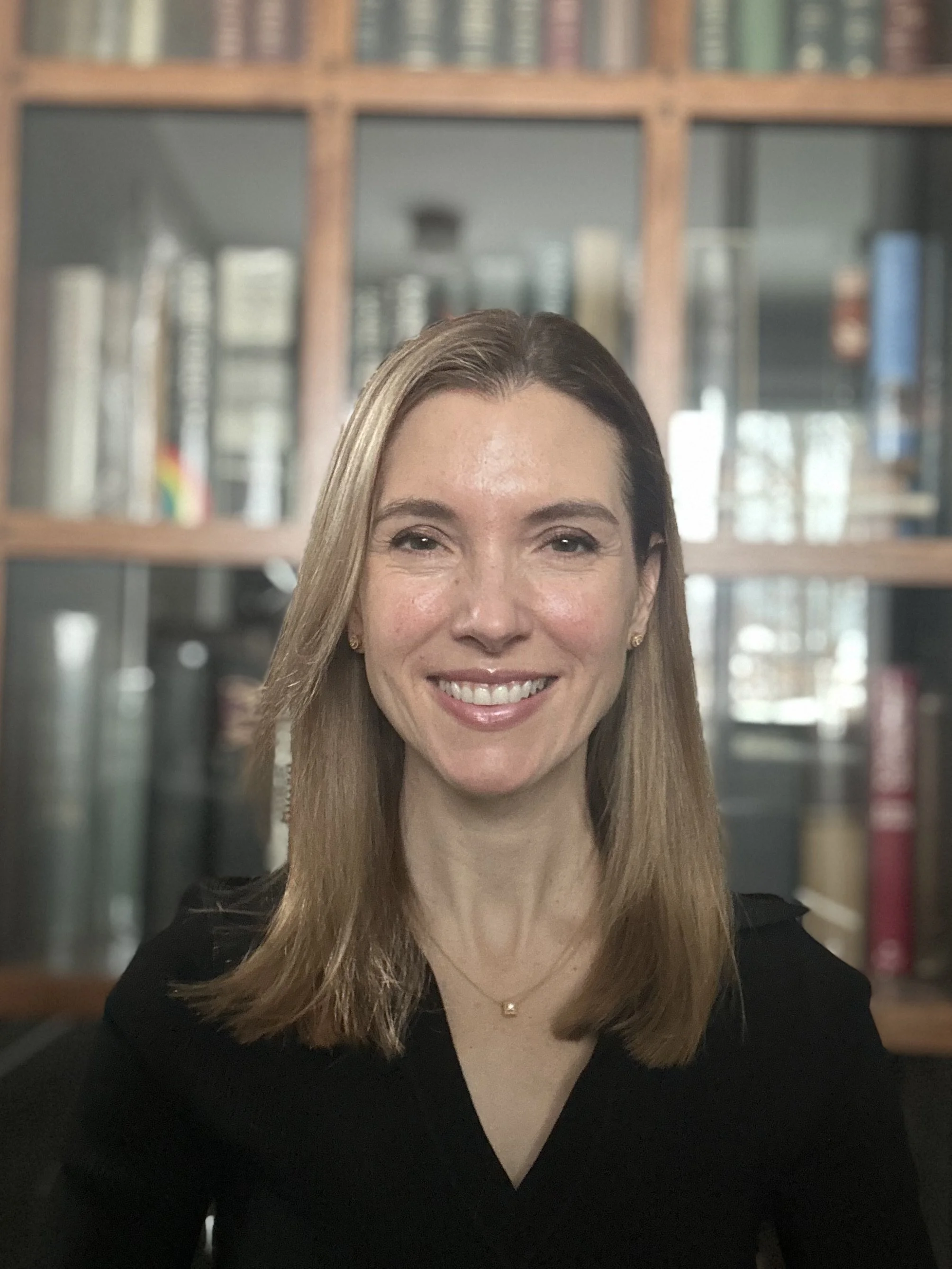
Becca Meyer is a clinical psychologist with over two decades of experience helping people navigate change, find meaning, and live with greater vitality. Her practice is integrative, drawing on psychodynamic depth, mindfulness, and evidence-based approaches.
She is also a certified psychedelic-assisted therapist and licensed Natural Medicine Clinical Facilitator in Colorado, where she guides psilocybin journeys. Dr. Meyer joins the Sentinel Healing Foundation board out of deep respect and gratitude for veterans and first responders. She believes that those who have sacrificed in service to their country and communities deserve access to the most effective healing available, and is committed to helping make that access possible.
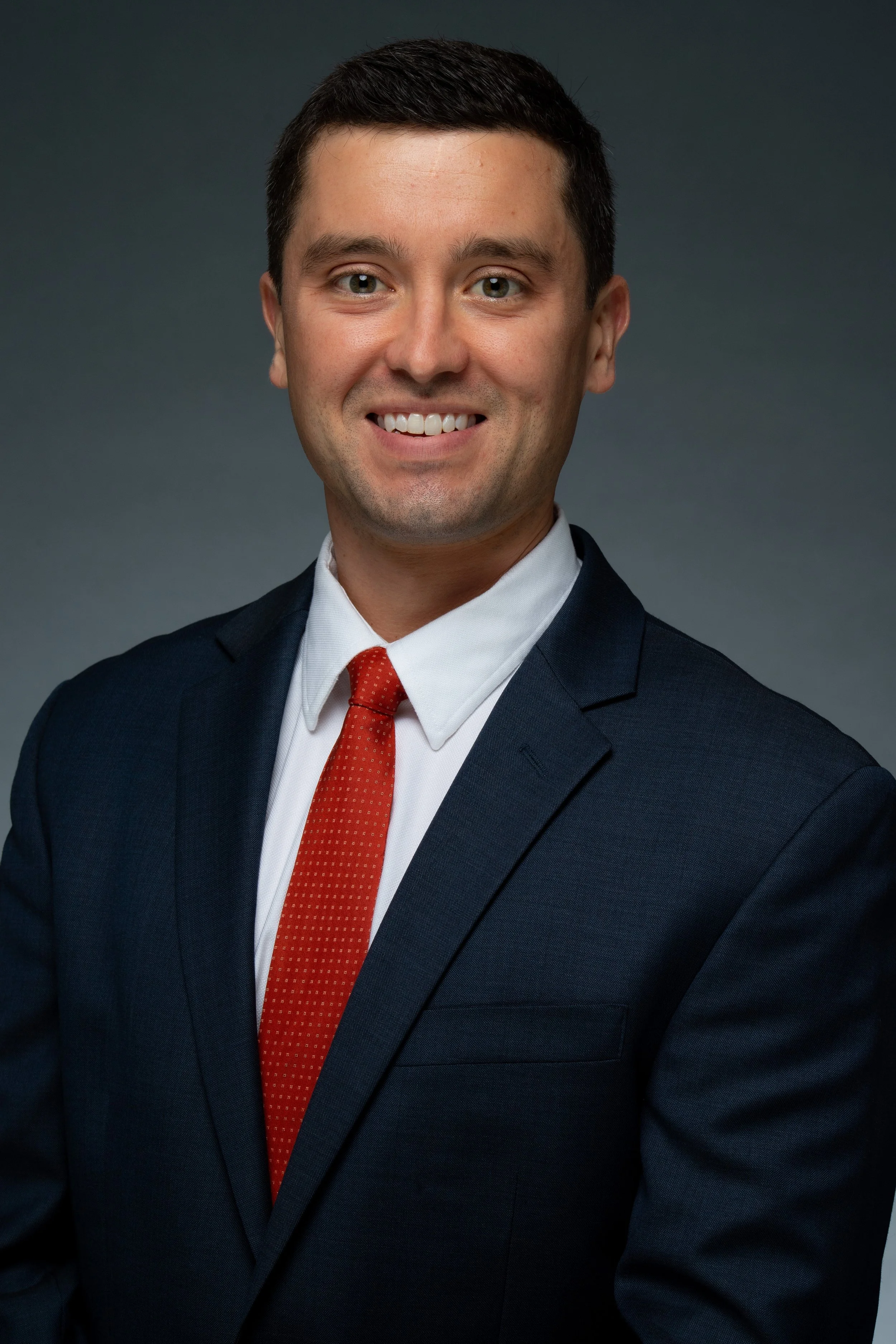
Tommy is a Physician Associate, former EMT, and Marine Corps veteran whose path from military service to clinical practice has been shaped at every turn by a commitment to those who serve.
After leaving the Marines, Tommy navigated his own struggle with depression, anxiety, and disconnection — and eventually found his way to sacred medicines, including months spent in Mexico and Peru learning from indigenous healers and exploring the intersection of conventional medicine and natural healing. What he found there saved his life, and his mission now is to help others access that same profound healing.
He works as a psychedelic medical safety screener, preparation and integration coach, and facilitator, dedicated to bridging the gap between Western medicine and the healing traditions that have transformed the lives of the veterans and first responders he serves.
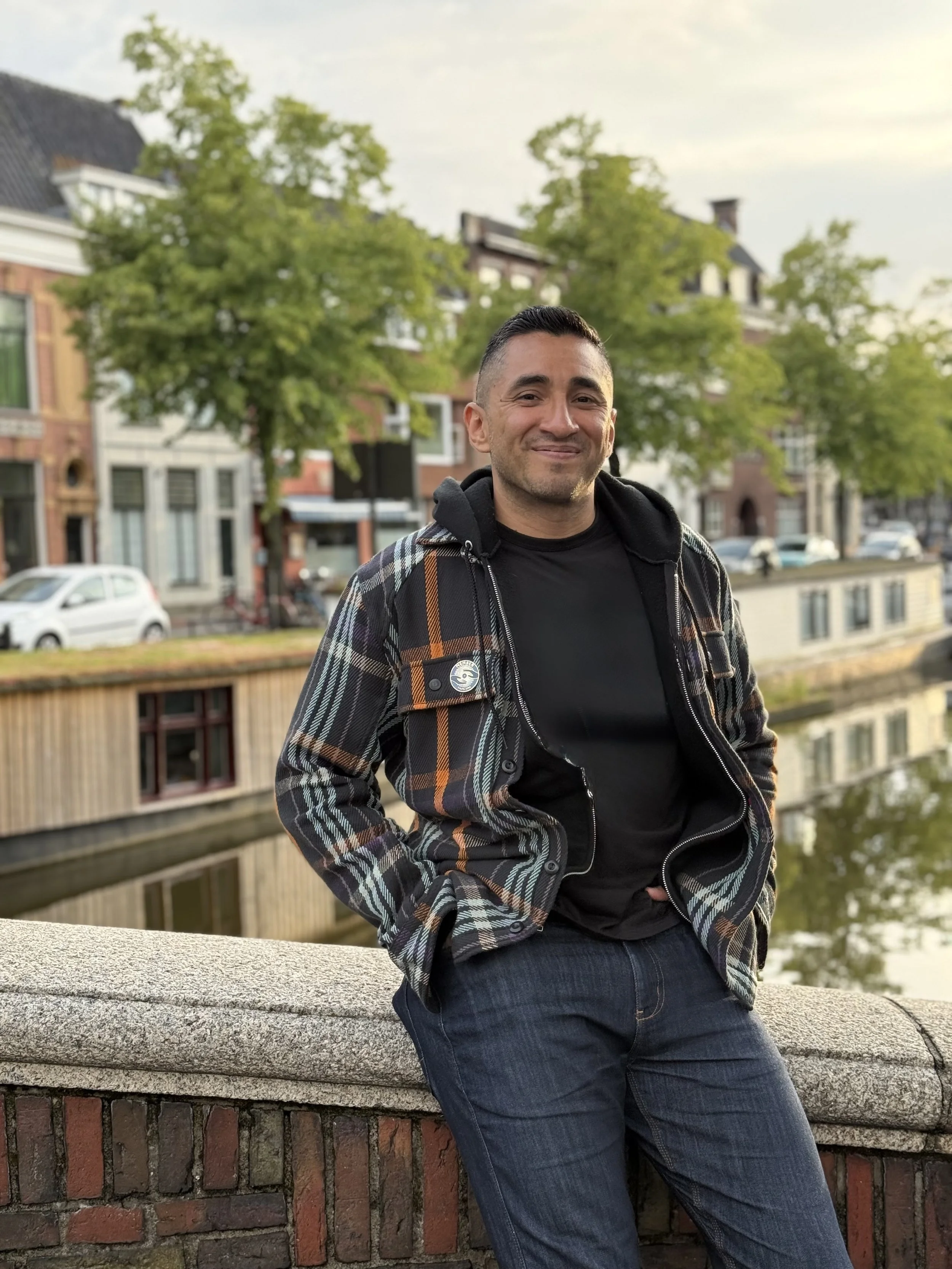
Louis Medina is a paramedic, lead instructor, licensed psilocybin facilitator, and advocate for first responder mental health. His work and perspective are shaped by 15 years of service as a first responder, where he has witnessed both the cumulative toll that chronic stress, trauma, and burnout can take over time and the power of human resilience.
After years of working in high-stress emergency settings, Louis came to this work through his own healing journey and a deep commitment to helping others reconnect with themselves and access meaningful, lasting support. His background in emergency medicine, teaching, contemplative practice, and legal psilocybin facilitation has shaped an approach grounded in compassion, presence, authenticity, and integrity.
Louis is especially passionate about serving first responders and helping bridge the gap in culturally competent care for communities that may struggle to trust, open up, or ask for support. He believes deeply in the potential each person carries within themselves and in the importance of advancing responsible, well-informed healing for those impacted by the cumulative burden of service.
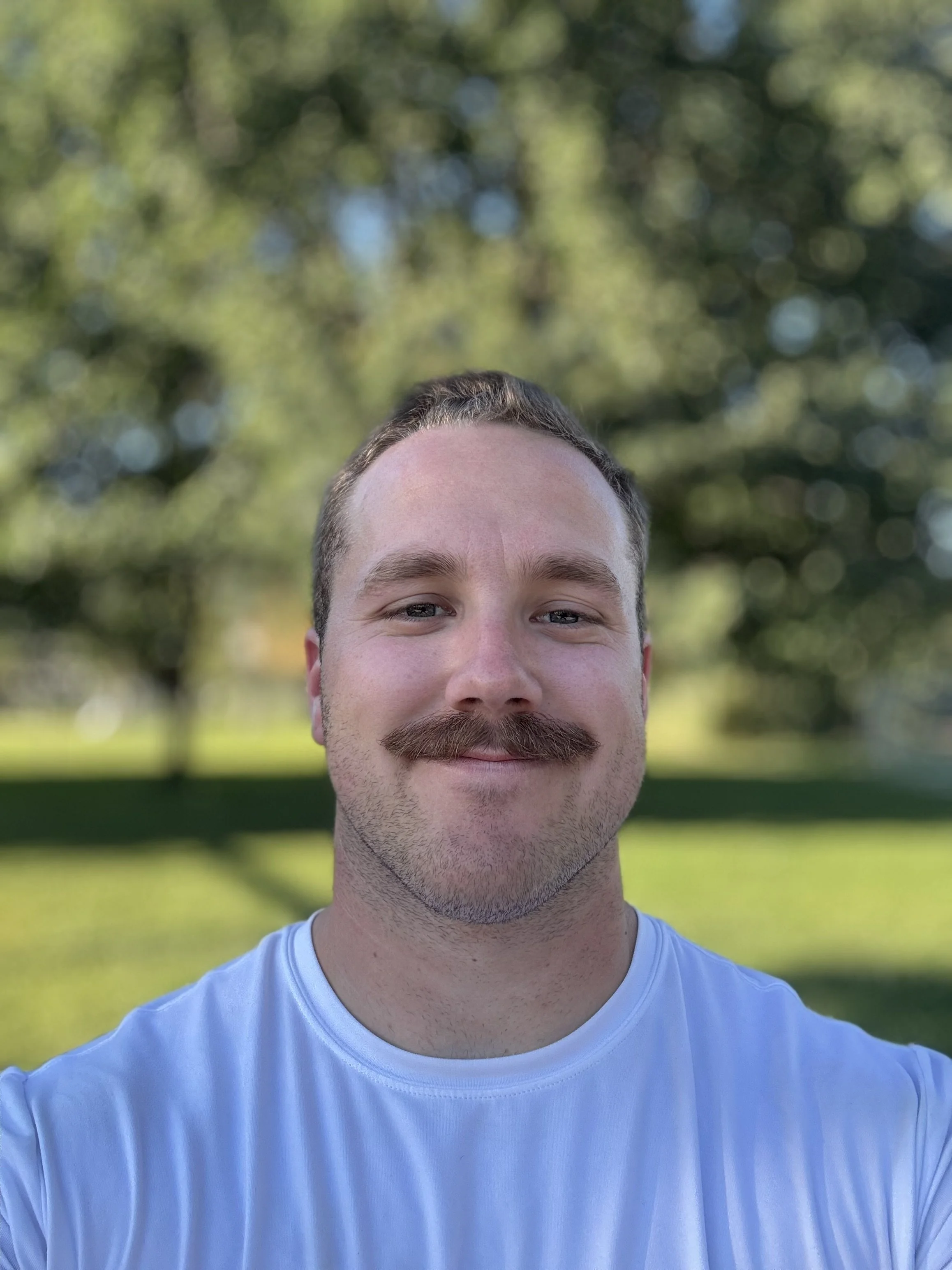
Trent Snyder is an Army Black Hawk pilot and Aeromedical Evacuations Officer, with a career built around leading high-stakes aviation operations and supporting search-and-rescue missions. His path has included advanced military training that has sharpened his ability to lead teams, manage crises, and operate with precision when lives are on the line.
Trent is also an MBA graduate with a focus on healthcare administration, pairing his operational aviation experience with formal business expertise. This combination has shaped a strategic, systems-level perspective where military discipline and business acumen can have direct, lasting impact on an organization's fiscal health and long-term stability.
His drive, adaptability, and team-first mindset were shaped early and continue to inform how he leads today — with a focus on servant leadership, collaboration, and taking care of the people around him.
Operating entirely within the law
Sentinel Healing Foundation funds access exclusively to state-licensed, regulated psilocybin services. Oregon's Measure 109 and Colorado's Proposition 122 established the legal frameworks under which licensed facilitators now operate. All retreats funded by the Foundation take place within these regulatory structures — or within other states as legal access expands.
The Foundation is organized as a 501(c)(3) nonprofit corporation. All donations are tax-deductible to the extent permitted by law.
Why psilocybin.
Why now.
A renaissance in psychedelic research is building a compelling case that has been decades in the making. What leading institutions are finding — and what veterans and first responders across legal retreat programs are experiencing — is rewriting the map of mental health treatment for those who have served.
An ancient medicine meets modern neuroscience
Psilocybin is the active compound found naturally in certain species of fungi, used in ceremonial and healing contexts by indigenous cultures across centuries. When ingested, the body metabolizes it into psilocin, which acts primarily on serotonin receptors — particularly the 5-HT2A receptors concentrated in the cortex.
The neurological effects are profound. The default mode network — the brain region associated with rumination, rigid self-referential thinking, and the entrenched thought patterns that underlie PTSD and depression — is temporarily quieted. New neural pathways form. Old patterns lose their grip. Many people describe experiences of profound insight, emotional release, and a restored sense of meaning and connection that persists long after the experience itself.
Critically, this is not a medication taken indefinitely. A well-guided experience — properly prepared and carefully integrated — can produce lasting change in conditions that have resisted years of conventional treatment. The mechanism is different. The outcomes are different. And for veterans and first responders, the results are increasingly remarkable.
Default Mode Network Reset
Temporarily quiets the brain's rumination and self-referential processing center — loosening the rigid thought patterns and trauma loops associated with PTSD and treatment-resistant depression.
Neuroplasticity Window
Increases the brain's capacity to form new neural connections. This period of heightened plasticity — with skilled facilitation — becomes a window for deep and lasting psychological change.
Emotional Accessibility
Reduces amygdala reactivity, allowing people to approach difficult memories and emotions with greater distance and less reactivity — a key mechanism for processing trauma.
Meaning & Connection
Research consistently links the depth and quality of the psilocybin experience — particularly feelings of unity and meaning — with the magnitude of lasting therapeutic benefit.
What the research shows
Major research institutions have been publishing striking findings for over a decade. The evidence base is growing rapidly — and its implications for veterans and first responders are direct.
PTSD & Moral Injury
Studies following veterans through guided psilocybin retreat programs have documented significant reductions in PTSD symptom severity — including in cases where multiple rounds of conventional treatment had produced little improvement. Participants report a shift not just in symptoms but in their fundamental relationship to traumatic memory: the ability to revisit difficult experiences without being re-traumatized by them. Moral injury — guilt, shame, and the grief of what was witnessed or done in service — appears particularly responsive to the depth of the psilocybin experience.
Treatment-Resistant Depression
Research from Johns Hopkins and Imperial College London has demonstrated rapid, sustained antidepressant effects from psilocybin — including in patients for whom multiple rounds of SSRIs, SNRIs, and years of psychotherapy had provided limited relief. In one landmark trial, over 70% of participants showed significant clinical response at four weeks. Crucially, these effects have been maintained at six-month follow-up in multiple studies — a durability that no standard antidepressant medication can match from a single intervention.
Suicidality & Existential Distress
Psilocybin research in populations facing serious illness and chronic suicidality has shown a profound capacity to address existential suffering — restoring a sense of meaning, purpose, and felt connection to life that medications alone rarely achieve. For veterans and first responders, whose suicidality is often rooted not merely in depression but in deeper disconnection from purpose and meaning after service, this mechanism represents a uniquely relevant pathway to recovery.
Addiction & Substance Use Disorders
Studies at Johns Hopkins have produced smoking cessation rates exceeding 80% at six-month follow-up — higher than any existing treatment in the literature. Parallel findings are emerging for alcohol use disorder, opioid dependence, and other substance use conditions that frequently co-occur with trauma in veteran and first responder populations. By addressing the underlying wound driving dependence — rather than the behavior alone — psilocybin offers a fundamentally different approach.
Veterans in Retreat Settings: Direct Evidence
A peer-reviewed 2025 study published in Brain and Behavior followed 58 veterans through psilocybin and ayahuasca retreat programs supported by Heroic Hearts Project. Measured four weeks after the retreat, veterans showed a 26.1% average reduction in PTSD symptoms and a 29.1% average reduction in depression symptoms, with significant improvement across all eight validated health measures used in the study — including anxiety, sleep, quality of life, and post-deployment reintegration. Psilocybin retreats produced the strongest gains on seven of the eight measures.
Conditions that disproportionately burden those who served
These are not peripheral cases. They are the defining mental health challenges of the veteran and first responder experience.
PTSD
One of the most studied applications. Psilocybin is emerging as a leading candidate intervention for trauma-based disorders, with effects documented in both combat PTSD and first responder critical incident trauma.
Major Depression
Rapid, lasting antidepressant outcomes — including in treatment-resistant cases — with effects often persisting for months following a single experience.
Moral Injury
The wound beneath the wound. Guilt, shame, and grief over what was done or witnessed in service. The depth of the psilocybin experience appears particularly suited to the self-forgiveness and meaning-making this condition requires.
Anxiety & Existential Distress
Significant reductions in chronic anxiety and existential suffering, including fear of death and loss of meaning — conditions that sit at the root of much veteran suicidality.
Substance Use Disorders
Addresses the trauma driving dependence rather than the dependence alone. Highest smoking cessation rates ever recorded; strong findings for alcohol and opioid use.
Suicidality
By restoring meaning, felt connection, and a relationship to the future, psilocybin addresses the existential core of chronic suicidality — not just its symptomatic expression.
A crisis hiding in plain sight
The mental health crisis among first responders rarely generates the headlines it deserves. Firefighters, paramedics, law enforcement officers, emergency medical personnel, and frontline healthcare workers absorb the most acute human suffering our society produces — and they do it quietly, repeatedly, and without adequate support.
The numbers are stark. First responders are statistically more likely to die by suicide than in the line of duty. Studies estimate that between 15–30% of first responders will develop PTSD in the course of their career. Depression, anxiety, and substance use disorders occur at significantly elevated rates. And the culture of these professions — built on toughness, self-reliance, and the suppression of emotional response — actively works against the help-seeking that could change these outcomes.
The particular nature of first responder trauma also deserves recognition. Unlike a single catastrophic event, most first responder psychological injury is cumulative — built up over years of critical incidents, each one manageable alone, each one adding another layer to what clinicians call cumulative occupational stress. By the time the weight becomes unbearable, the person carrying it has often been carrying it for a very long time.
Psilocybin-assisted healing offers something that conventional treatment rarely can: access to the emotional and somatic depth where cumulative trauma actually lives. Not just cognitive reframing, but a fundamental shift in the nervous system's relationship to what it has held.
Firefighters & EMS
Firefighters have a suicide rate more than twice that of line-of-duty deaths. EMS workers report some of the highest rates of PTSD, depression, and burnout of any profession — compounded by chronic sleep disruption, physical toll, and the emotional labor of witnessing suffering without always being able to stop it.
Law Enforcement
Officers face a unique combination of acute threat trauma, moral complexity, and institutional cultures that pathologize vulnerability. Depression and PTSD rates in law enforcement exceed those of the general population by a wide margin. The added weight of public scrutiny and political complexity in recent years has deepened the burden significantly.
Healthcare & Emergency Workers
Frontline healthcare workers — ER physicians, nurses, trauma surgeons, and ICU staff — carry a burden that became impossible to ignore during the COVID-19 pandemic, but existed long before it. Moral injury in healthcare — the distress of being unable to provide the care one believes patients deserve — is an increasingly recognized and severely undertreated condition.
Where this is already happening
Oregon became the first state to legalize supervised psilocybin services in 2020 under Measure 109, with licensed service centers and facilitators operating since 2023. Colorado followed with Proposition 122 in 2022. Additional states — including California, which has launched a state research pilot — are moving toward expanded access. All retreats funded by Sentinel Healing Foundation take place within fully legal, licensed structures, conducted by state-licensed facilitators.
The legal landscape is expanding. The science is accelerating. The need has never been more clear.
Apply for a Retreat GrantYour next mission
begins here.
Sentinel Healing Foundation provides funding grants for qualifying veterans and first responders to access legal psilocybin retreat programs. Whether you wore a military uniform, a turnout coat, a badge, or scrubs — if you served, and if you're carrying more than you should have to carry alone, this is for you.
Five days. The work of a lifetime.
Foundation grants fund immersive multi-day retreat experiences held within licensed psilocybin service centers in Oregon, Colorado, or other states with legal frameworks. The format below reflects our standard funded retreat structure — specific details vary by program and facilitator.
Arrival & Preparation
Participants arrive, settle into the retreat environment, and begin preparation with a licensed facilitator. This foundational session builds trust, clarifies intention, and ensures both clinical and relational readiness. Medical screening is completed. Nothing is rushed.
First Guided Experience
The first psilocybin administration session takes place at a licensed service center with a trained facilitator present throughout. The environment is carefully prepared. The facilitator holds the space with skill and presence. Participants are supported to move through whatever arises.
Integration & Rest
A dedicated day to process, rest, and begin making meaning from the first experience. Facilitated integration conversations help participants draw out insight, work through difficult material, and arrive at the second experience with renewed clarity and intention.
Second Guided Experience
The second session often moves deeper — participants arrive with more trust, less resistance, and clearer intention. Many describe this as the most significant experience of their healing journey. The facilitator remains fully present throughout.
Integration & Departure
A closing session consolidates the work of the retreat, identifies key insights, and establishes a concrete integration plan for returning home — including follow-up support, practices, and referrals as needed. Participants leave with a clear path forward.
Who we serve
Sentinel Healing Foundation serves both veterans and first responders equally. Both communities carry the cost of serving others — and both deserve access to the depth of healing this work can provide. Financial need is always considered alongside clinical and demographic eligibility. All applications are reviewed with confidentiality and dignity.
Active duty military, veterans of any branch, or service members honorably discharged
Active or retired law enforcement officers, firefighters, EMTs, paramedics, dispatchers, or frontline healthcare workers (ER, ICU, trauma)
Demonstrated financial need — a legal psilocybin retreat would otherwise be unaffordable
Presenting with PTSD, treatment-resistant depression, moral injury, cumulative occupational stress, suicidality, or related conditions connected to service
Medical eligibility for psilocybin services as determined through clinical screening with a licensed facilitator
Willingness to engage fully with preparation, the retreat experience, and integration as a complete process
What applicants ask us
We know this may be unfamiliar territory. Here are honest answers to the questions we hear most.
Ready to take the first step?
All inquiries are handled with complete confidentiality and treated with the dignity you've earned. Funding is limited and applications are reviewed on a rolling basis — we encourage you not to wait.
Begin Application Ask a Question FirstPriority is given to applicants with the greatest financial need and clearest clinical fit. All branch affiliations and service types are welcome.
Fund a retreat.
Change a life.
Every dollar raised by Sentinel Healing Foundation goes directly toward funding legal psilocybin retreats for veterans and first responders who cannot afford the cost on their own. Your gift has a specific, human destination.
What your gift makes possible
A fully funded five-day retreat for a single veteran or first responder costs approximately $3,000–$5,000, depending on program, location, and support needs. Every contribution adds up toward that number.
Support the mission your way
Whether you give once, give monthly, or build a lasting institutional partnership, there is a meaningful way for you to be part of this work.
One-Time Donation
A single gift of any amount goes directly into the Foundation's retreat grant fund, deployed as qualified applications are approved on a rolling basis.
- 100% applied to veteran and first responder retreat access
- Tax-deductible as permitted by law (501c3)
- Acknowledgment letter provided for your records
Monthly Giving
Monthly donors are the backbone of the Foundation's ability to make commitments. Reliable, recurring revenue allows us to approve more applications with confidence and reduce wait times for those in need.
- Cancel or adjust your gift at any time
- Annual giving summary provided for tax purposes
- Monthly donors receive our impact updates and annual report
Corporate & Institutional Partnerships
Organizations seeking to make a meaningful, measurable impact on veteran mental health are invited to partner with Sentinel Healing Foundation directly.
- Matching gift programs and employee giving campaigns
- Named retreat sponsorships — "The [Company] Retreat Grant"
- Foundation grants and institutional philanthropy welcome
- Custom impact reporting and co-branding opportunities available
- Speaking engagements and partnership events with Foundation leadership
Honor or Memorial Gifts
Make a gift in honor of a veteran or first responder you love, or in memory of someone lost to the invisible wounds of service. These gifts carry particular meaning — and particular purpose.
- Personalized acknowledgment letter sent to your honoree or their family
- Option to share the story behind your gift (with permission)
- Gifts of any amount are welcomed and recognized
Where every dollar goes
The overwhelming majority of every dollar raised by Sentinel Healing Foundation goes directly to retreat funding — not to overhead, administration, or marketing. That is a choice, and a commitment.
We publish annual financial reports and welcome any donor inquiry about our operations. We are organized as a 501(c)(3) nonprofit; contributions are tax-deductible to the extent permitted by law.
If you want to know exactly how a gift will be used before you make it, we welcome that conversation.
Projected fund allocation based on operating model. Actual figures published in annual report. 501(c)(3) nonprofit organization.